
Disappearing Farmland: How One Metro Detroit County Lost 50% of Its Agricultural Land |
Which Metro Detroit County Lost the Most Farmland Over the Last Two Decades |
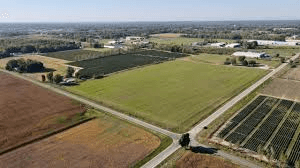
Over the past two decades, Wayne County has experienced a significant reduction in its agricultural land, with farmland acreage decreasing by approximately 50%. In 2002, the county boasted around 21,485 acres dedicated to farming; by 2022, this figure had dwindled to 10,392 acres. This substantial decline underscores the mounting pressures of urban expansion and industrial development encroaching upon rural spaces.
Concurrently, the average price per acre of farmland in Wayne County has seen a remarkable surge. In 2002, farmland was valued at $6,829 per acre. By 2022, this value had nearly tripled, reaching $20,415 per acre. This escalation reflects the heightened demand for land in the region, driven by its proximity to urban centers and the increasing interest in repurposing agricultural plots for residential and commercial developments.
In contrast, neighboring Macomb County has charted a different course. Between 2002 and 2022, Macomb County expanded its farmland by 16.7%, adding 11,357 acres to its agricultural portfolio. This growth suggests a concerted effort to preserve and even enhance agricultural activities within the county. However, the average price per acre in Macomb County increased by only 26.8% during the same period, indicating a more stable land market compared to Wayne County.
The divergent trends between Wayne and Macomb counties highlight the complex interplay between urban development pressures and agricultural preservation efforts. While Wayne County grapples with the challenges of maintaining its agricultural heritage amidst rapid urbanization, Macomb County's experience suggests that strategic planning and policy interventions can effectively balance development with farmland conservation.
As Michigan continues to evolve, understanding these dynamics is crucial for policymakers, developers, and communities aiming to sustain the state's rich agricultural legacy while accommodating growth and modernization. |
0 Comments
Join the conversation
Be the first to comment
Share your thoughts above.